1. Intro
Sometimes the best lessons are the ones that are hardest to learn.
I’ve owned and managed an Ecommerce business since 2017, primarily selling on Amazon.com. I’ve had a good number of successes and even more failures. I’m incredibly grateful for both as they’ve given me first hand experience knowing what it’s like to win, to lose, and how to adapt to changing market conditions over time.
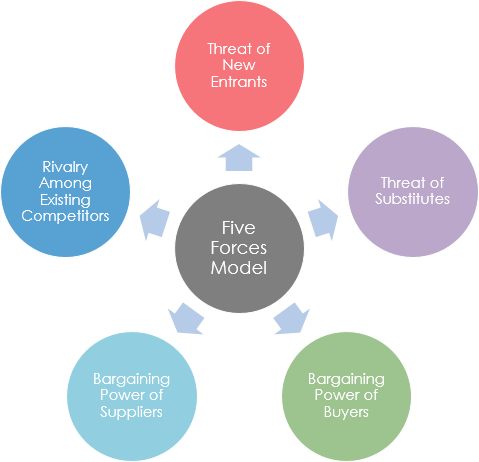
This story shows one of my product failures on Amazon and how my next product launch learned from those mistakes to position a more successful offering, leveraging aspects of Porter’s 5 Forces framework to build a more steadfast product offering.
Disclaimer: One of the unique aspects of selling on Amazon is that market opportunity is primarily driven by keyword research to find gaps between customer search volume and current product offerings that fulfill that search need. This is why many Amazon sellers have a smattering of different products - aaannd why a young guy like myself is only slightly embarrassed having sold bachelorette items and cute socks with different dog breed pictures :)
2. A Golden Opportunity
One of the first major investments I made on Amazon was selling sets of fanny packs for bachelorette parties.
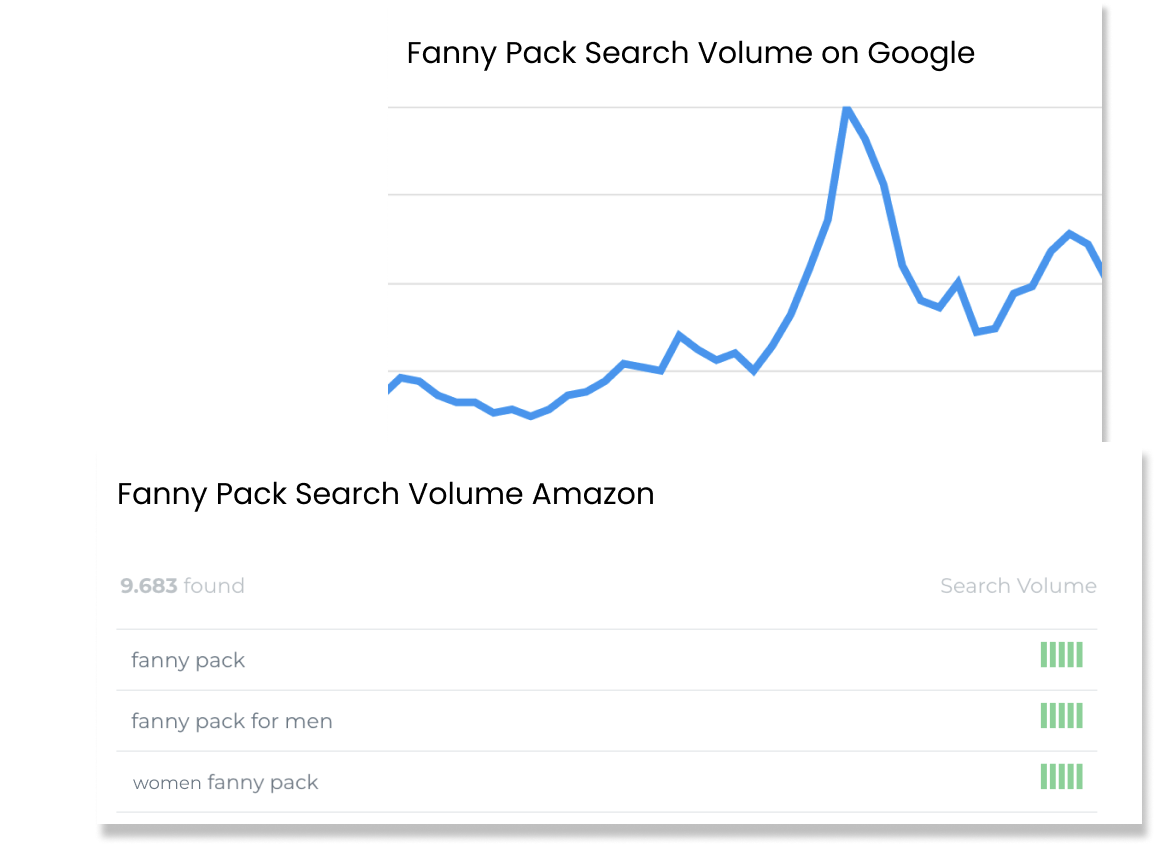
I won’t go deep into the keyword trends and research backing this decision, but it’s worth noting search volume had grown over the previous years as the accessory came back into fashion and only certain competitors on the Amazon marketplace were offering this for the bachelorette niche.
What matters most is that current competitors were only selling individual fanny packs for a bride or for a bridesmaid on the Amazon marketplace.

Bringing it back to a User Experience mindset, we can apply my favorite ‘Jobs to be Done’ framework and ask “What is this customer hiring this product to do?”
Ultimately these fanny packs are used to celebrate a special occasion with a group of friends before the bride-to-be gets hitched. That’s it. A group.
Research indicated that customers were typically purchasing 6 or more of these bridesmaid fanny packs individually, which presented a golden opportunity. I decided to offer a set of bachelorette fanny packs for the bride and friends to solve the problem of how these customers intended to use the product in a more direct method than what existed on the market.
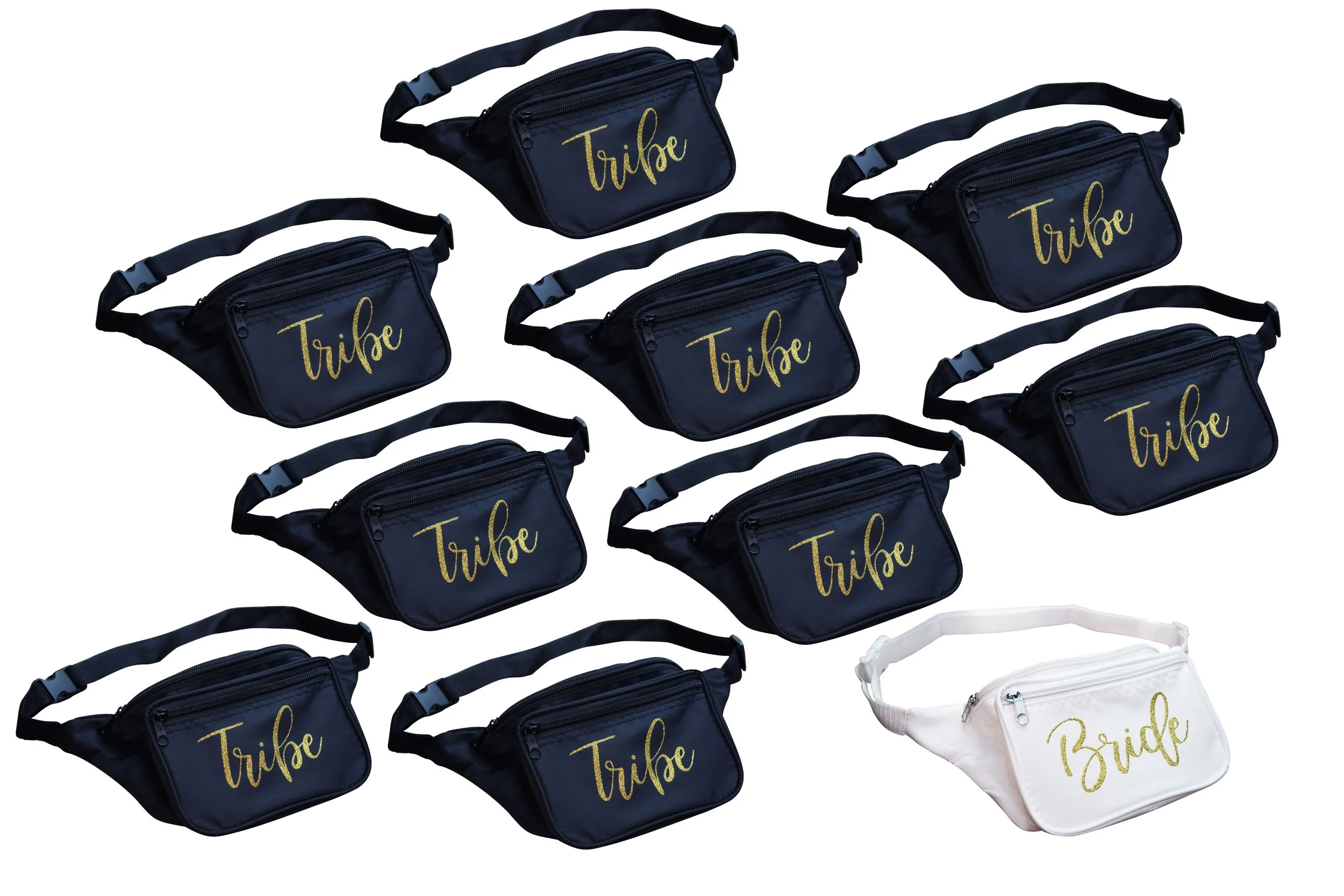
When calculating selling fees and commissions, I could create a better product offering, a unique selling point, maintain solid profit margins, while at the same time saving customers money.
The result? Success! Immediately after the initial launch with targeted PPC campaigns, my product immediately jumped to the top of results for my keywords. Customer behavior validated my research - conversion rates were excellent, traffic redirected from other avenues, and gross sales were better than I had expected, with positive reviews to boot! I was the first to market - everything was peachy.
3. The Fall
Then, it all came crashing down. Why?
Competition entered the market and I was underpriced. This is fair and standard market practice (aside from any copyright infringing activities), but the process of ‘copycatting’ as it’s known on Amazon is especially prevalent.
Coming back to Porter’s 5 Forces, I experienced the truism: “Profitability decreases as competition increases.”
Sidebar on Manufacturing and Purchasing
A little background for those who don’t know: One of the basic reasons prices are so affordable for on Amazon customers is due to the global supply chain process and how suppliers bulk purchase from the manufacturer for the marketplace.
Basically, suppliers (who sell on Amazon) purchase a customized version of products sold by manufacturers (partners in factories), known as Private Labeling. Suppliers get a reduced rate compared to what consumers see; for instance, a coffee mug might cost $2. However, in order for these manufacturing partners to make enough overhead a profit, they need to sell large enough quantities of each product to make it profitable, maybe 2,000 units.

The supplier needs to meet the manufacturer’s Minimum Order Quantity to make it equitable for both parties, so that $2 coffee mug quickly becomes a $5,000 order after including ocean freight costs.
This is where purchasing power is so powerful in market competition. If a brand can afford to purchase 10,000 units, they might be able to purchase the coffee mugs at $1.25. These margins add up, but it allows them to offer a cheaper price to the consumer.
Cash is king. Especially in a business with physical inventory.
So - back to the bachelorette fanny packs. Shortly after my launch, two brands who had existed in the niche began replicating my product offering at a lower price point. My sales declined and although the amount of sales were consistent, the volume was too low to continue, so I sold my inventory and pulled the listing off Amazon.
This beautifully demonstrates the first Principle of Porter’s 5 Forces, Competition with Existing Rivals, in action. A more established rival in the niche with higher market share and financial assets was able to quickly identify and replicate the initial offering at a better price point.
The lesson? If competition can easily replicate the offering or beat you on price, your unique selling proposition is not safe for sustained growth.
4. Adaptation
So, how does a single ~30 year old guy prevent this from happening again? My purchasing power is not as great as brands who have been in the industry for years. Although there are options for loans and debt to compete against other vendors’ purchasing power, that still leaves the problem of a “race to the bottom”. Since consumers have such ‘Bargaining power’ across Ecommerce with an array of selections, a product needs a clear differentiator to win.
With Private Label on Amazon, there is a much longer timeframe to bring products to market (call it 6-8 months) and not many chances to pivot after the offering is launched and the listing created. You have to place your bets carefully.
So. How can we create a higher barrier to entry to replicate any future offerings?
According to the Principle of Threat of New Entrants, the more time and money it takes for a new entrant to join a market, the stronger a current businesses’ current position is.
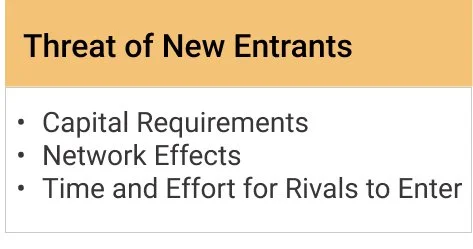
Within the scope of Amazon, many of the third party sellers you’ll see on Amazon tend to stay within a general niche or industry with their product offerings. They know the players and can excel within that space, but can be slow to enter into new industries across their offerings. Within Amazon, this game is usually played with a more micro-focus as well, jockeying for position within individual listings.
Along with identifying another product with a unique selling proposition, I decided to make the barrier to entry a key element to my next launch.
5. Defensive Sourcing
After several weeks of product analytics, keyword research, and manufacturer conversations, I decided to launch my newest, most brilliant, unstoppable (sarcasm) product ever: A gift Set of Dog Tumblers and Pair of Socks for specific breeds! (triumphant music plays)
Why?
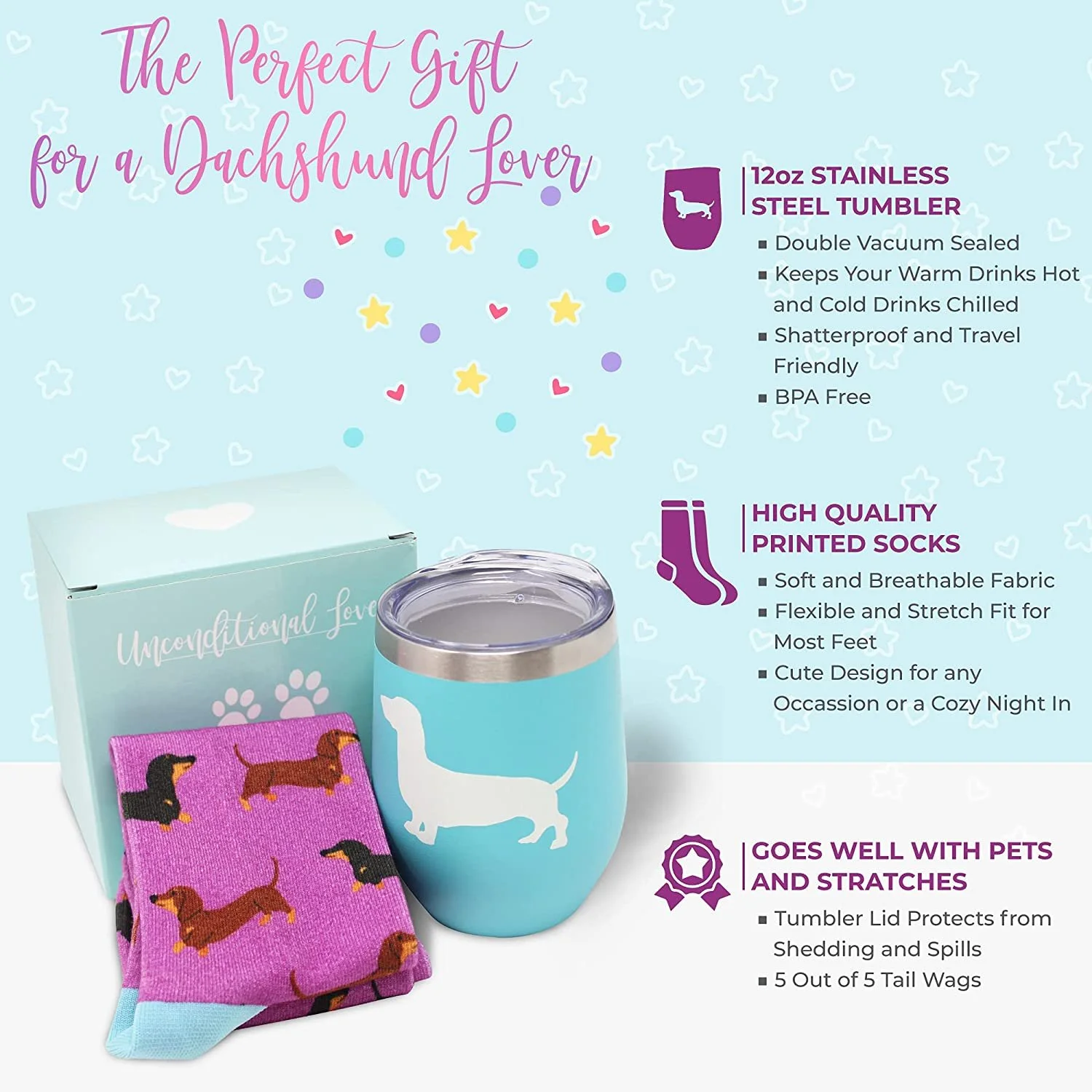
Existing Rivals - Competition was high across individual searches, but no one was actively offering elements across both drinkware and garments in the niche, which gave me a unique selling point and hard to substitute.
Growth - From a keyword ranking perspective, I could gather long tail keyword traction across searches from gift sets for specific breeds, garments, and drinkware. I could scale by offering products across different breeds as my cash flow grew.
New Entrants - It was hard to replicate.
‘Hard to replicate’ was the key. Selecting a manufacturing partner is difficult by any stretch when sourcing a product for Private Label. Pricing, communication, quality of goods, industry education, sampling, logistics (just to name a few) all need to be taken into consideration before entering into business with a supplier.
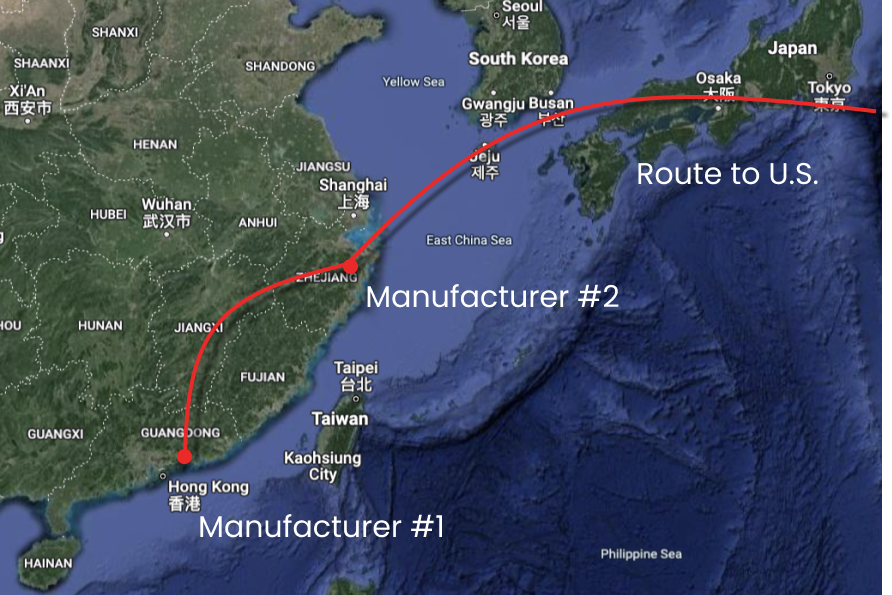
In order to source this product, I went through the extensive process of finding two.
Not only two different suppliers, but two separate industries. I learned about thread ratio and options for garments for the socks and options for ensuring BPA quality and stainless steel selections for tumblers.
For shipping and logistics, ordering inventory needed to be timed correctly so that Partner #1 could manufacture socks, ship them to Partner #2 in another warehouse in China, who would store and pack the socks with their tumblers, and then send them to an inspection point before being loaded onto an ocean freight to the United States. This required some of my better Project Management skills to coordinate between POC’s and different companies to ship this product out. In short, I tried to make it a pain in the ass for someone else to want to do it.
6. Results
Outcome? Sustained sales and growth.
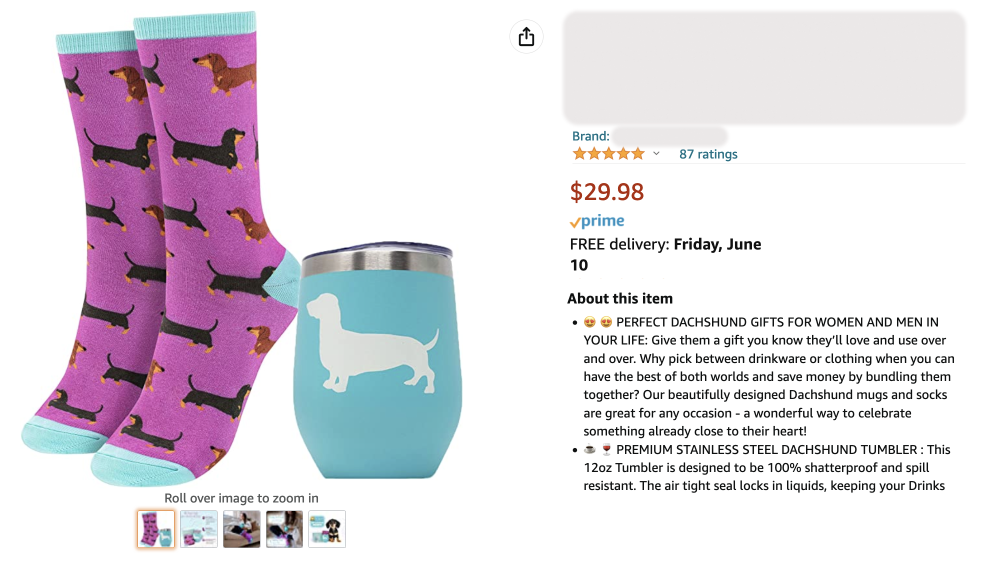
With little to no competition entering the product niche after a year of selling the cups. And it doesn’t hurt that customers loved the product too, with over 80 5 star reviews!
Time to paw-ty! Sorry, couldn’t resist.
7. Takeaways
Can all of this be attributed to the defensive positioning? No. Of course not. There are countless inputs that affect the Market and a product’s success.
But it does teach the valuable lesson of analyzing all of the factors that impact a business - customers, competition, sourcing, financials, and more. Verticals need to be viewed through a much longer time horizon. Just because indicators are positive for market entry, doesn’t mean that they will stay the same over time.
Established frameworks can help our teams have a better structure and more holistic approach to analyzing how our business is positioned within the market.
They can help teams feel more comfortable having done their research before they cast out into the deep, armed with a cozy pair of new socks and drink in their hand.