Project Overview
About
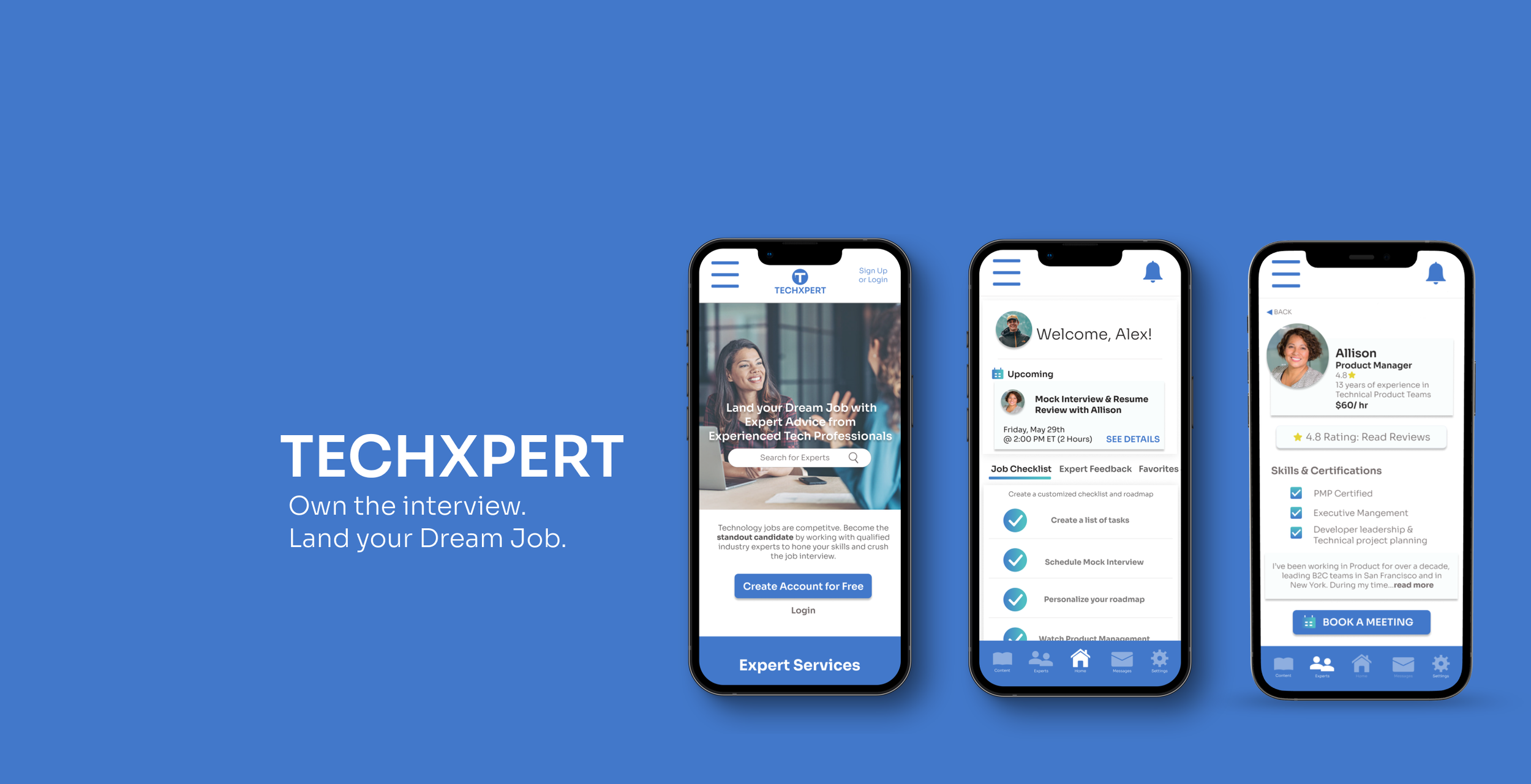
Techxpert is an app designed to help job seekers stand out in the competitive tech landscape by honing their interviewing skills through advice from experienced tech professionals.
Role
UX Researcher
UX / UI Designer
Tools
Figma
Usability Hub
Miro
Optimal Workshop
The Problem
Candidates contend for open positions in the competitive tech industry and need to have standout performance to separate themselves during the hiring processes.
Job seekers leverage a myriad of resources to help prepare for the interview process; however, many of the solutions that exist today do not provide the level of niche industry preparation or interactive opportunities needed for these unique skills and challenging roles.
Hypothesis
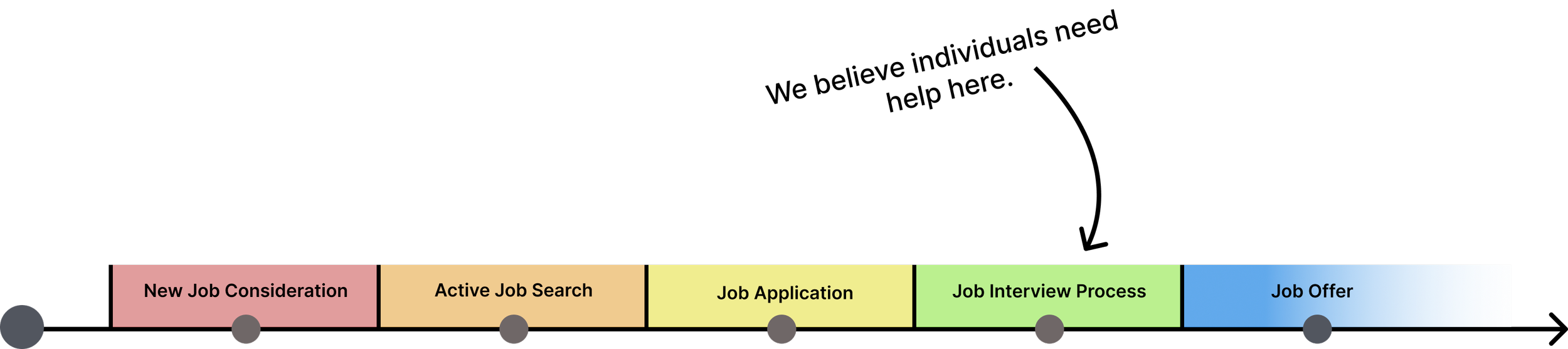
We believe that having access to industry experts during the job interviewing period can help provide candidates the chance to hone their skills, establishing fair and equitable opportunities for job seekers as they look to interview for competitive tech roles.
Process is Paramount
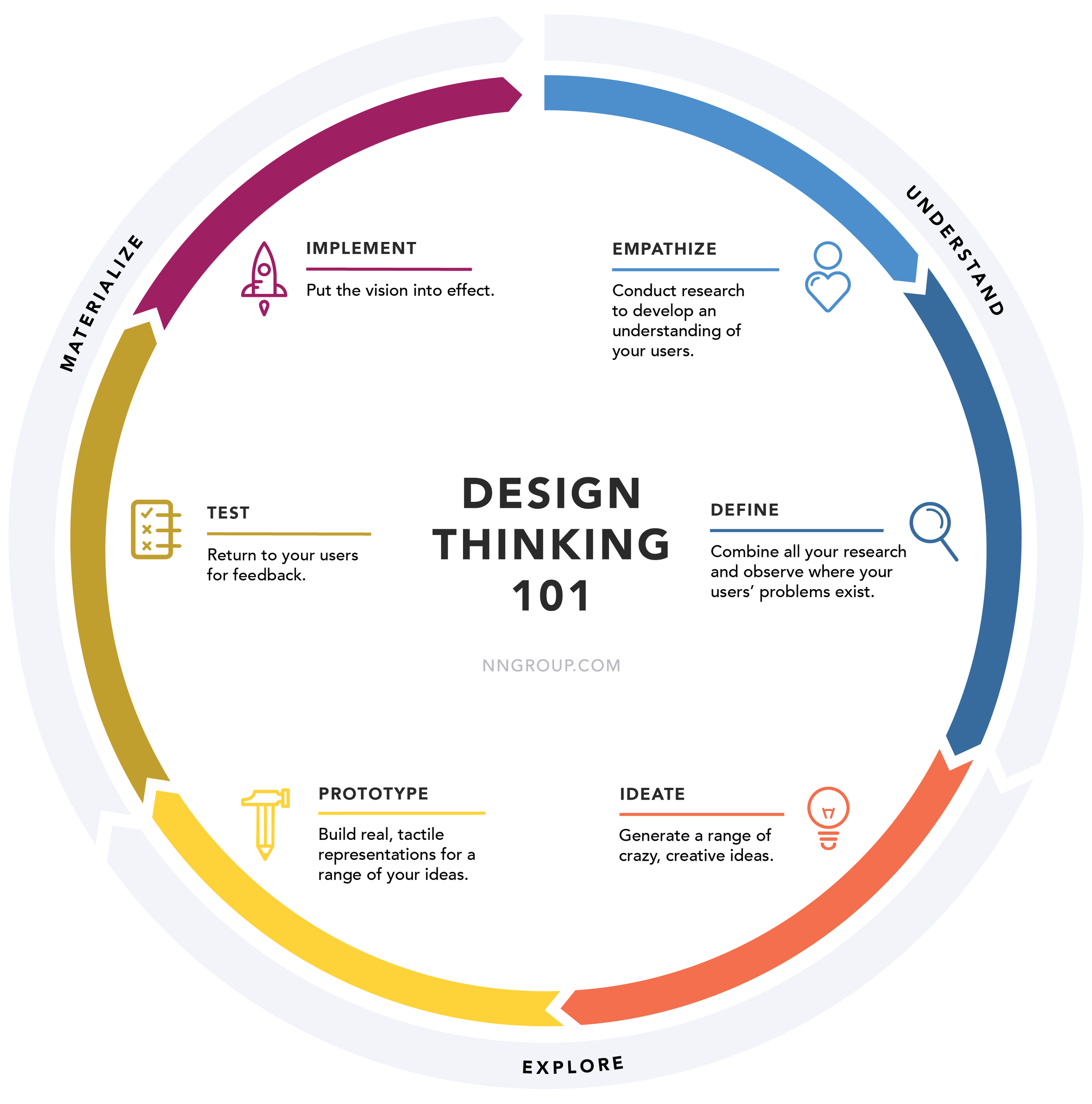
A repeatable process to gather and implement actionable insights is key. The research and design for Techxpert followed the Design Thinking framework, which was critical to make sure we can structure our work to identify the best solutions for our audience.

01 - Empathize
Designers know: You are not the user. Before entering into problem solving, we need to better understand the humans we are trying to serve. This includes validating the challenges people face, exploring the larger context of their decision making, as well as other researching existing market opportunities currently helping those users.
Market Research
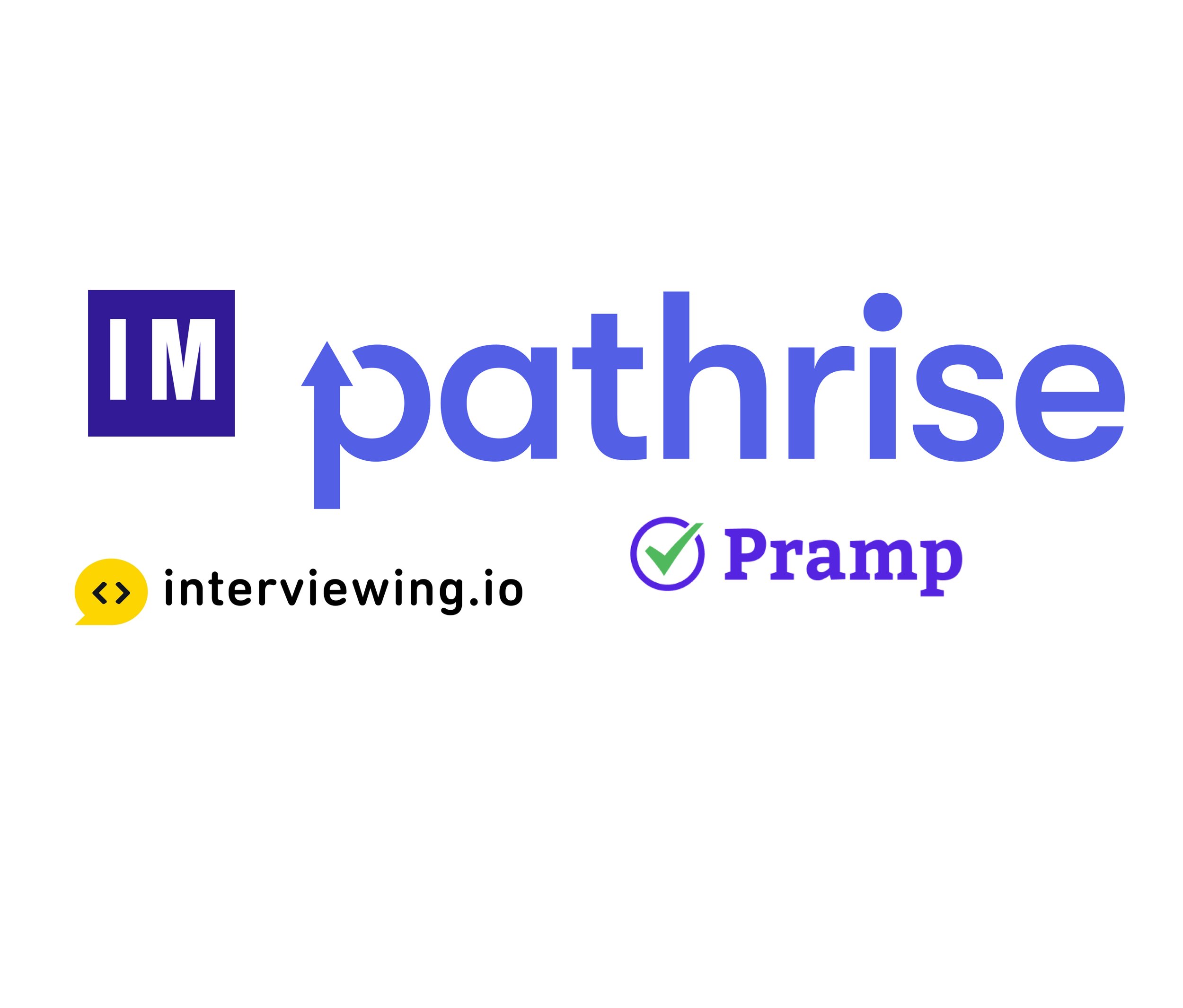
I conducted a competitive analysis to understand what solutions existed in the market, ran SWOT analyses and drew from elements of the 3Cs Framework to find who competitors are serving the market. We reviewed their core value propositions, strengths, and weaknesses - validating how they help job seekers and if a gap exists so a new business could differentiate with any potential offering.
Initial research showed many solutions that exist available are either too general (blog articles about hiring or interview tips), over index on a specific role (many Engineering specific focused sites), or are long term engagements requiring a heavy investment of time and money to refine skills.
Understanding the User
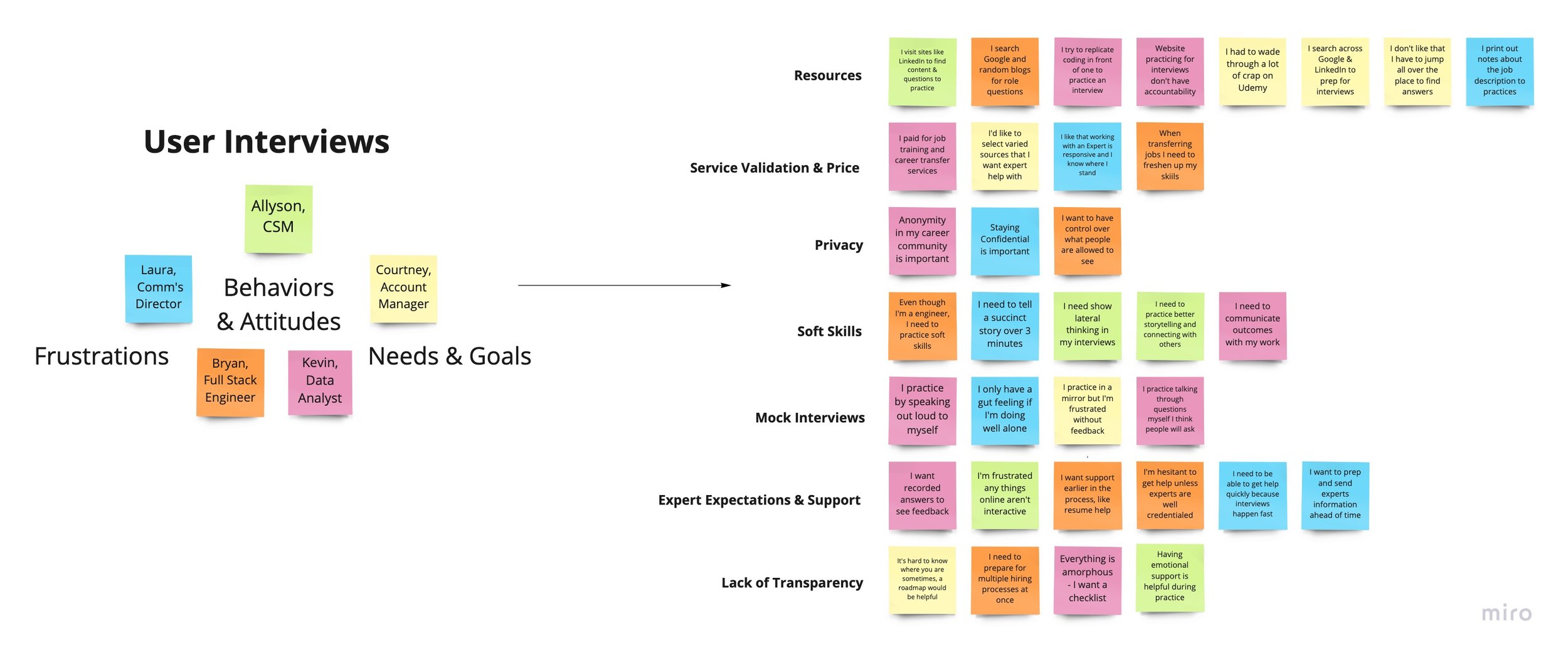
Research goals with targeted Personas
Understand how individuals prepare for jobs in tech - what obstacles do they face and how do they feel?
Determine what tools, resources, or competitors individuals use to help prepare for job interviews
Validate individuals’s response to hiring and working with an with industry expert for the hiring process
Insights
Validated Main Hypothesis
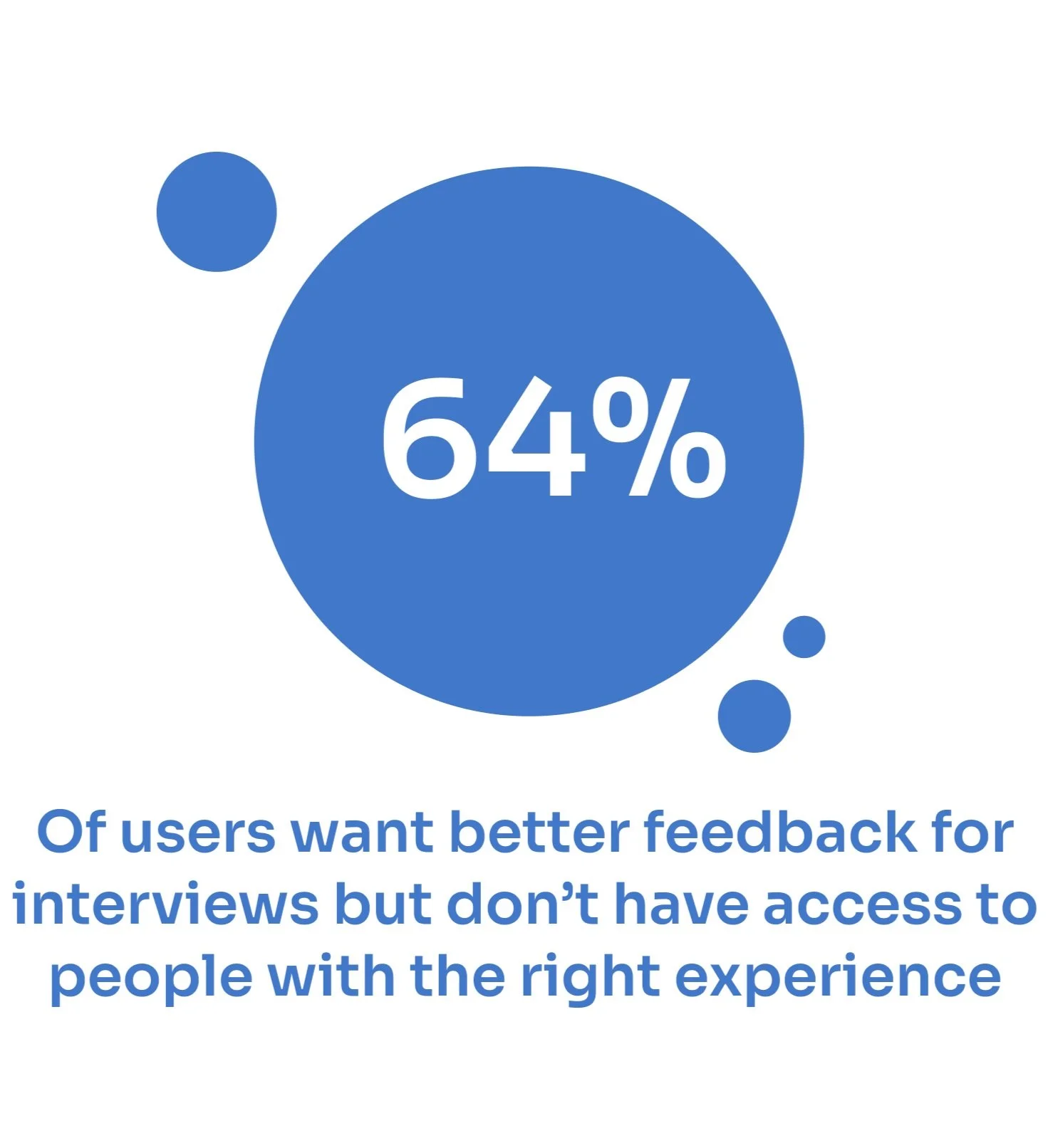
Individuals practice alone or leverage family and friends for feedback who do not have skills in the desired role or industry to provide targeted feedback
Identified Core Challenges Surrounding the Hiring Process
People also don’t have a reliable resource to find content, questions, and best practices to prepare for interviews
Individuals have to create their own repository of information to prepare for interviews, that live in different forms and places
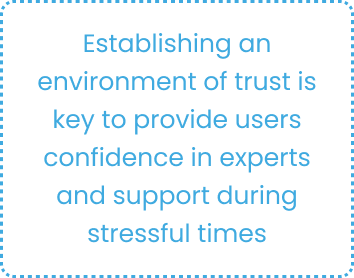
Individuals need to have control over privacy and what is shared to maintain relationships
“I practiced interviewing with my partner, but he didn't understand all of the skills I need”
— Customer Success Manager, 7 years in tech
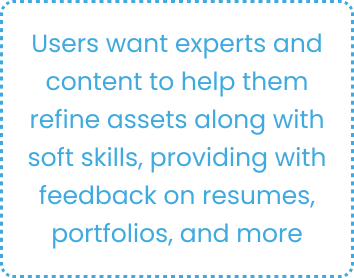
Key Takeaways
02 - Define
After we discover what initial challenges our users face, so that we can begin build towards the right problem set, we can begin to refine our approaches towards that problem.
USER PERSONAS
Persona creation can drive alignment across an organization. By better understanding who users are, teams can effectively relate their audience, discuss solutions, and bring more tailored products to market.
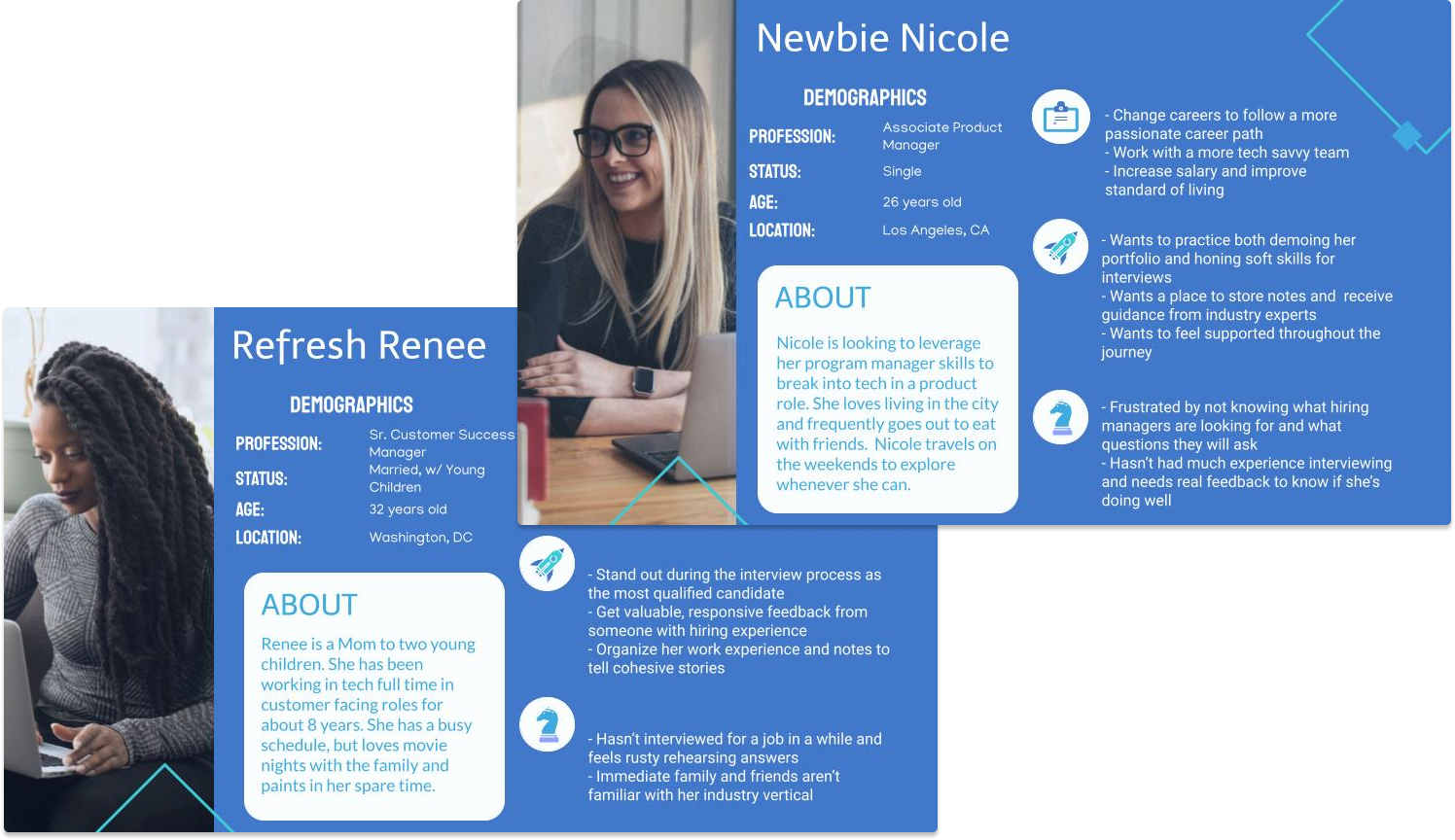
Leveraging interviews, I created Personas of Nicole and Renee to document the goals, motivations, challenges, our core audience faces.
Mental Models & User Flows
+
User
+
Goals
+
Environment
+ User + Goals + Environment
Mental models and user flows build on the established understanding of the people we are trying to serve. In order to build optimal experiences - we need to account for their challenges outside our product, their emotions, and integrate solutions into a larger understanding of users’ lives. After establishing criteria for mental models and how users engage with this problems in the real world, I build user flows to map out how users might user Techxpert to help.
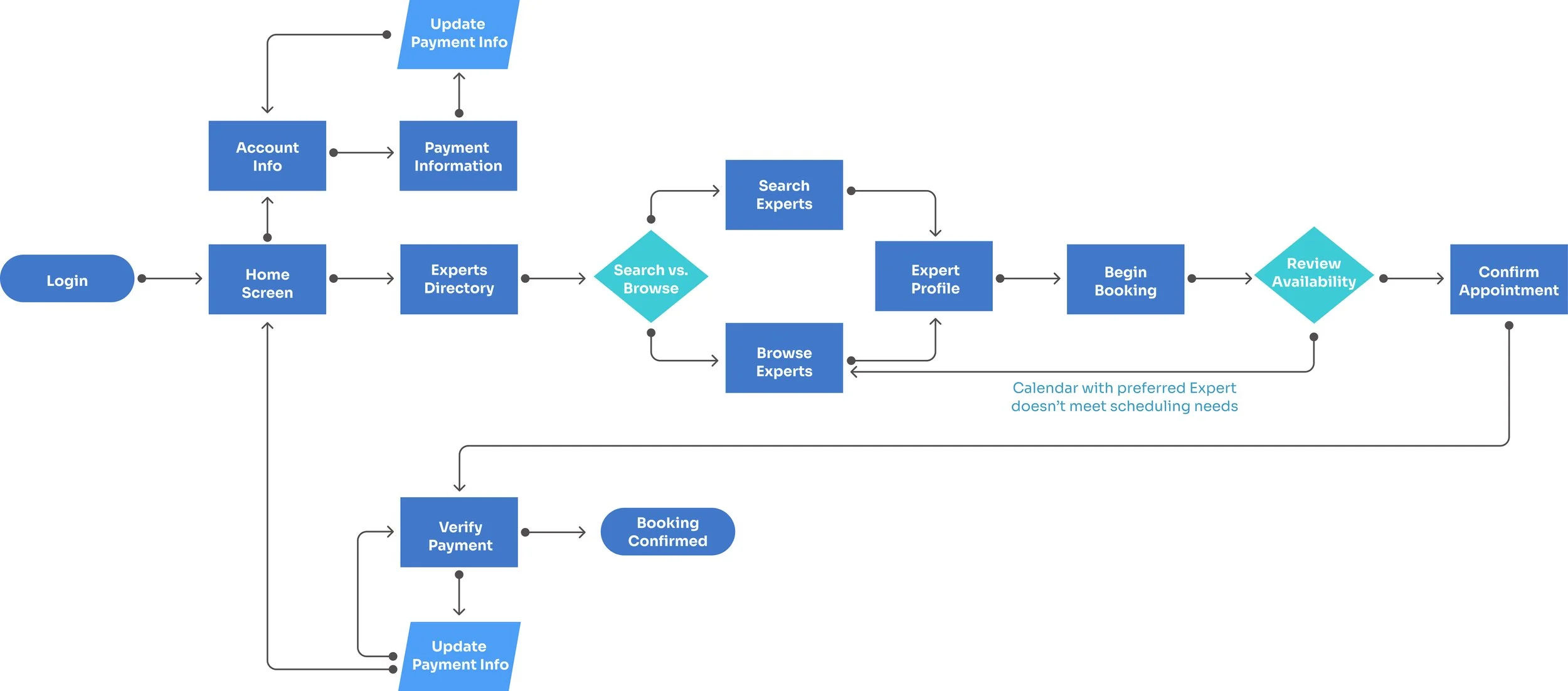
User Flow for Booking an Expert Session
03 - Ideate
Moving from Discovery to Concepting. To build solutions that serve both User needs and business goals. After validating assumptions that Techxpert was on track to “Build the Right Thing” the focus shifts to “Build Things Right.”
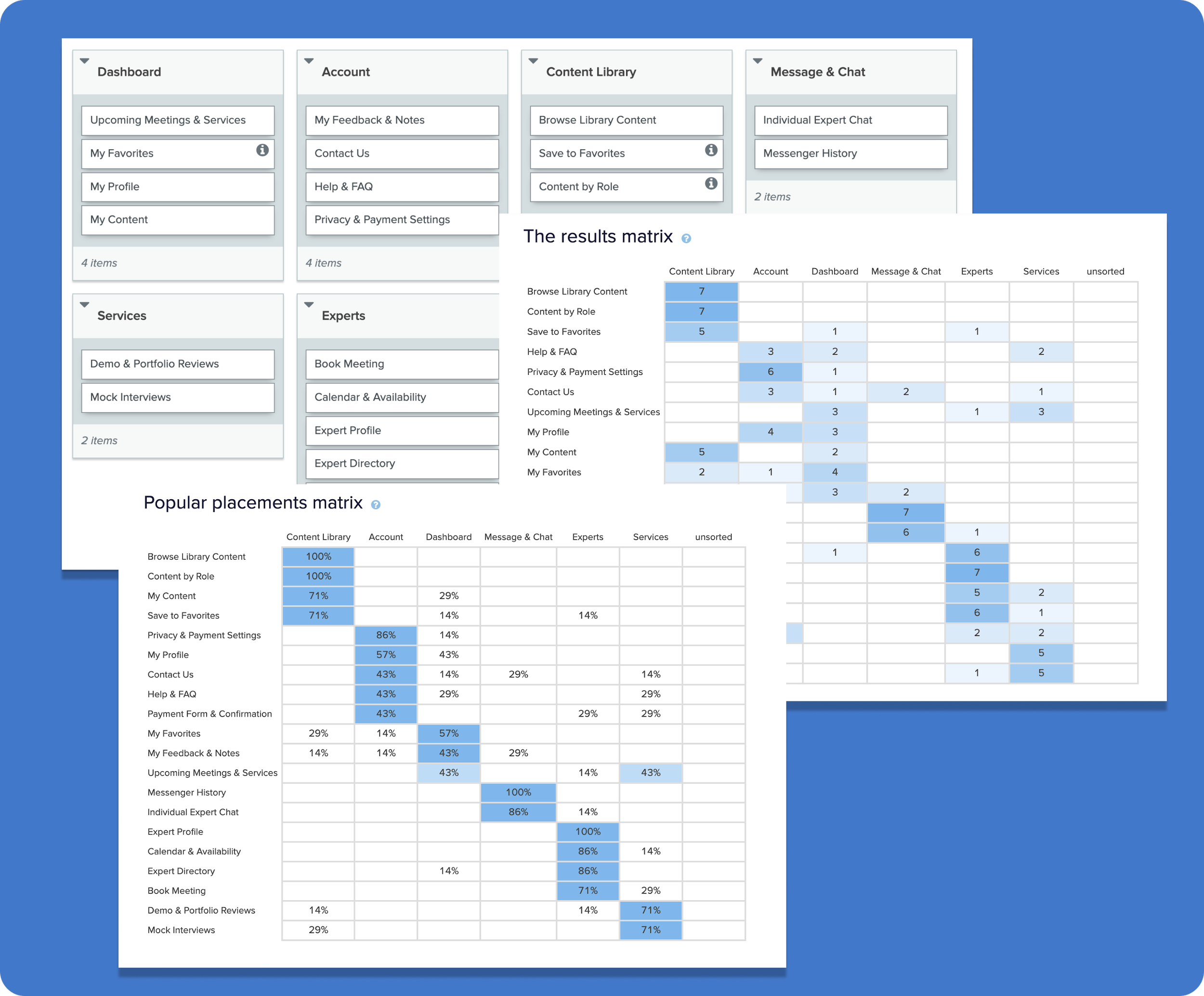
Constructing the Information Architecture
Testing Logical Structure with Open Card Sorting
After mocking up an initial site structure, I conducted closed card sorts and tests with users using Optimal Workshop. This allowed me to see which hierarchy components resonated users and where my assumptions were incorrect about structure.
This process also exposed routes for navigating across sub-hierachies to allow users to easily move across core features of the website.
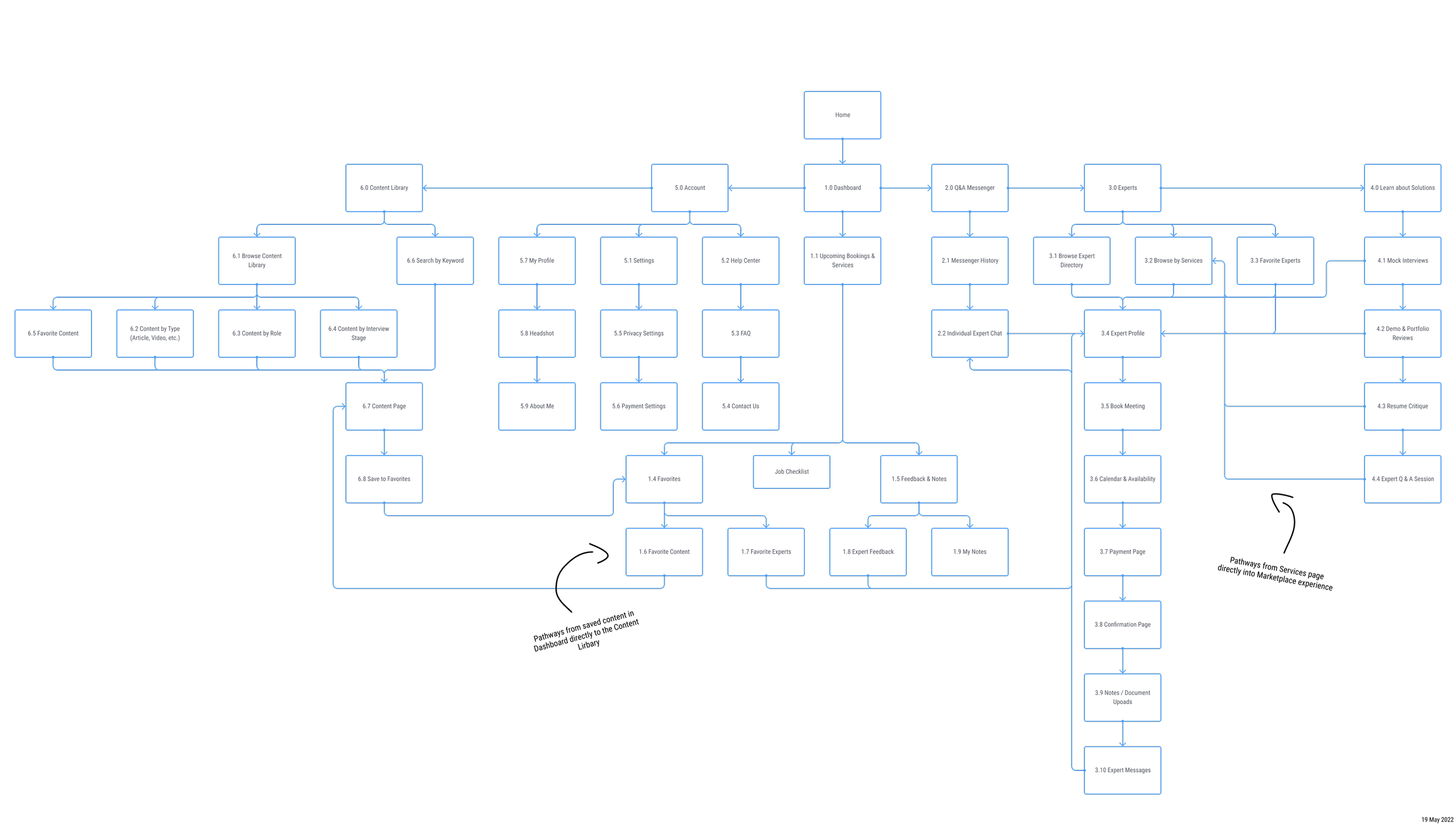
Revised sitemap for Techxpert App
04 - Prototype
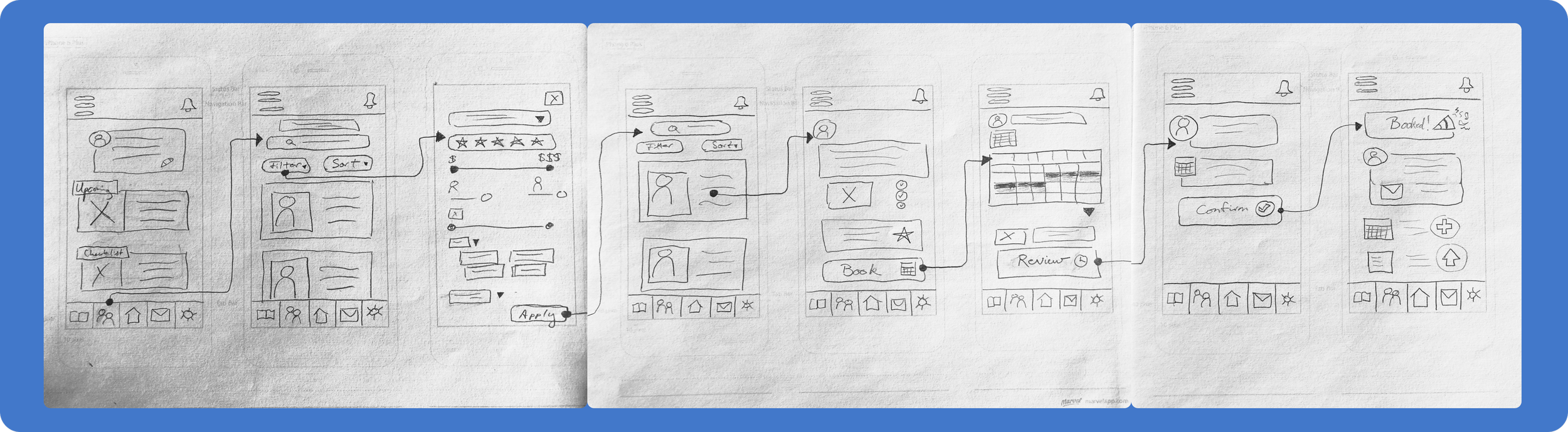
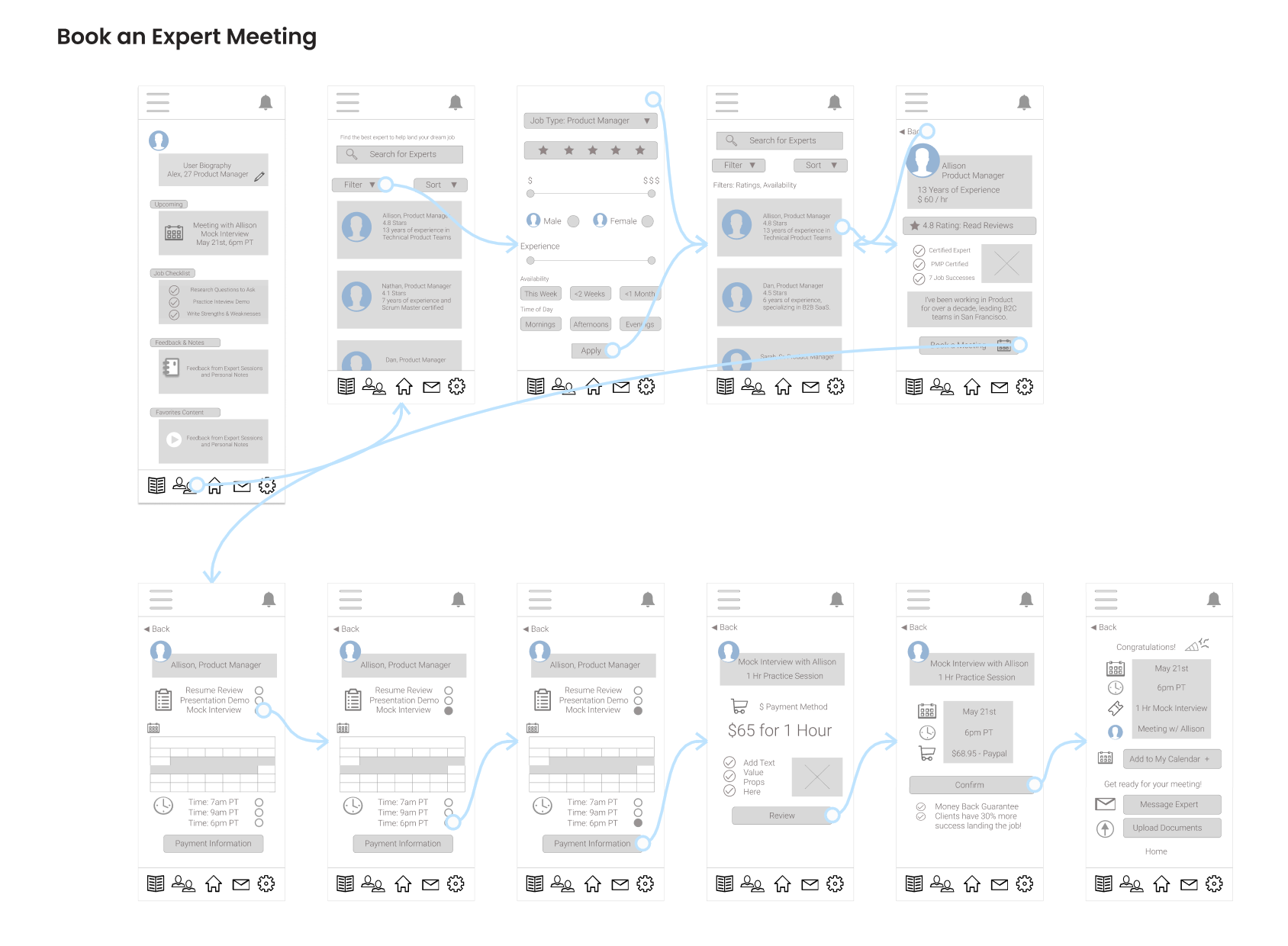
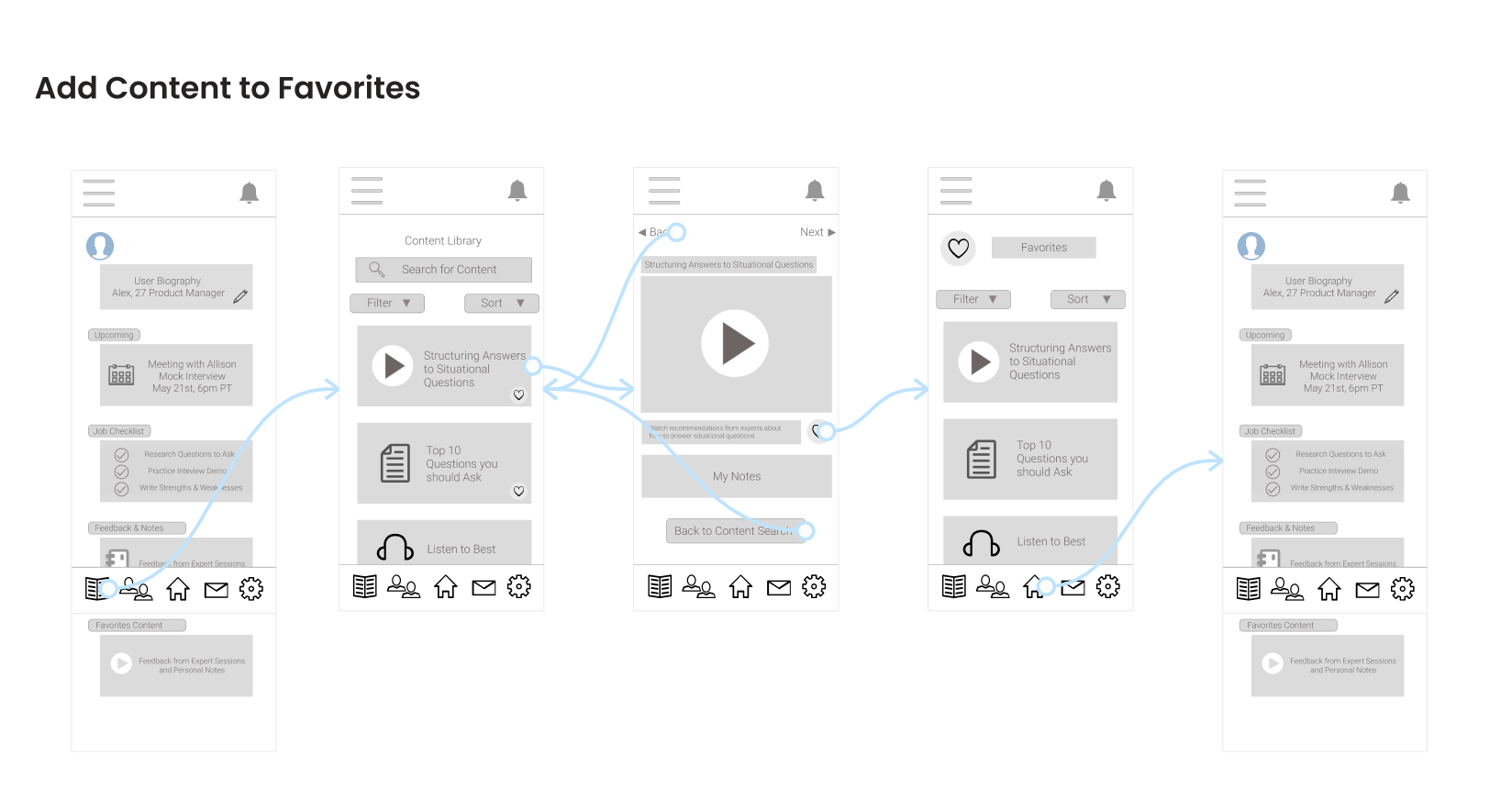
Iterative building processes allow Designers to refine overtime. Leveraging the right levels of Wireframes and Prototypes in the build process helps drive alignment with stakeholders, accelerate workflows with Engineering, solidifies pathways to problem solving.
They are a designer’s tools to drive better conversations.
Low-Fidelity and Mid-Fidelity Wireframes and Prototypes
05 - Test
How effectively are we addressing Principles of Usability? How might we serve the user better?

Goal
Assess how new users interact with the app and ensure they are able to understand both its value and functionality. For our Usability Tests, we’ll be testing general navigation, learnability, and completion of core tasks to measure usefulness.
Objectives
Determine where the errors, hesitation, and gaps in learnability occur with new users on the app
Measure if users can successfully book and schedule meeting with an Expert, store content on their app and interpret information available on their Dashboard.
Measure how effectively users can navigate throughout the app and effectively add information
Identify any key blockers for site usability or experiences that result in confusion or frustration for users
Process
After conducting usability tests, I analyzed recordings leveraging Affinity mapping methods and Spreadsheet Rankings
I clustered feedback from users to identify commonalities with the app and create emerging themes to inform improvements
Identify and rank the most critical Usability issues that users rank and prioritize as part of design improvements
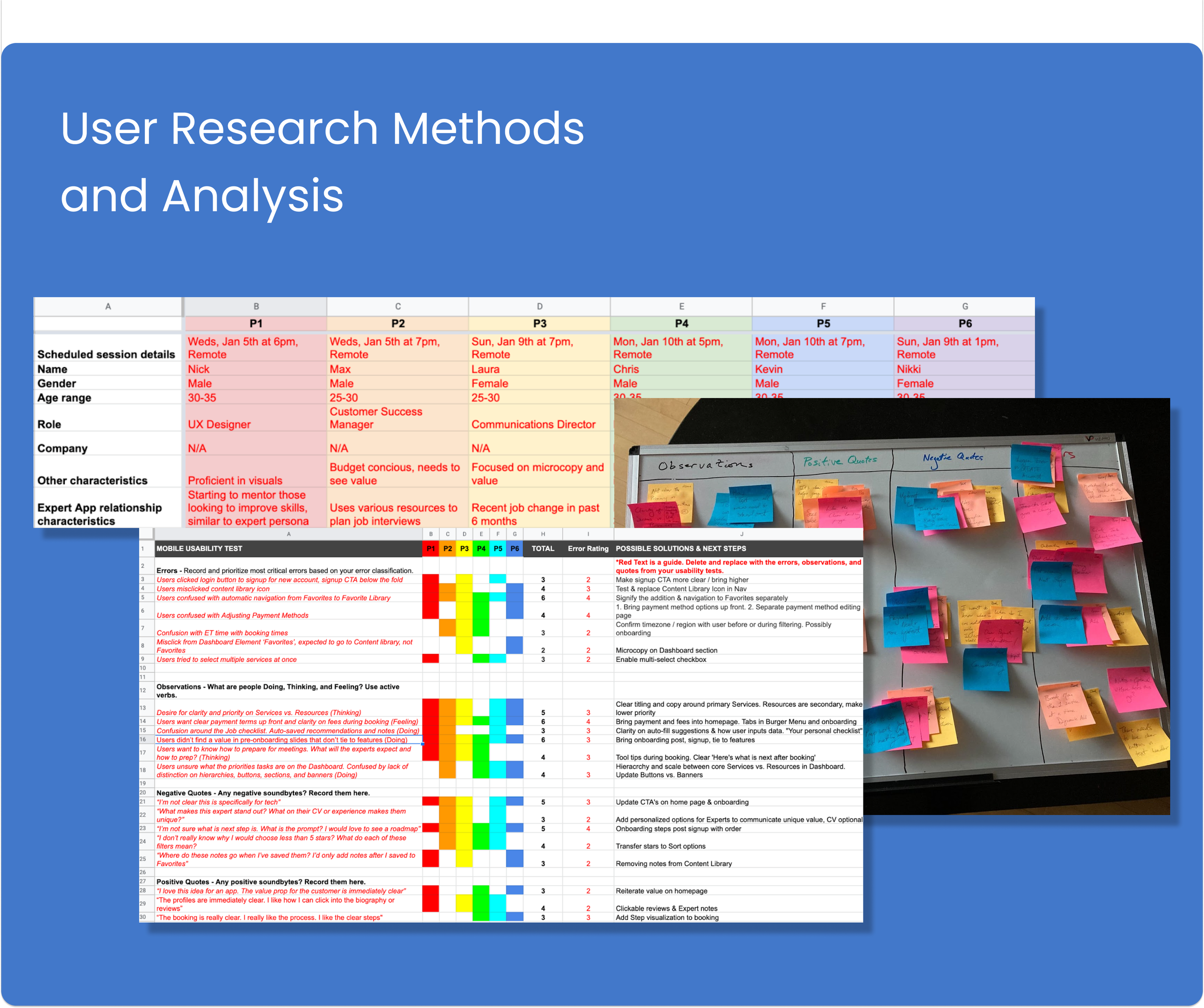
We need to test both attitudinal and behavioral aspects of User’s interaction with our products to provide a holistic understanding of how effective our solutions are. With the initial prototypes completed, I conducted 6 moderated remote Usability Testing sessions with our targeted personas.
Observe. Document. Analyze. Discuss. Repeat.
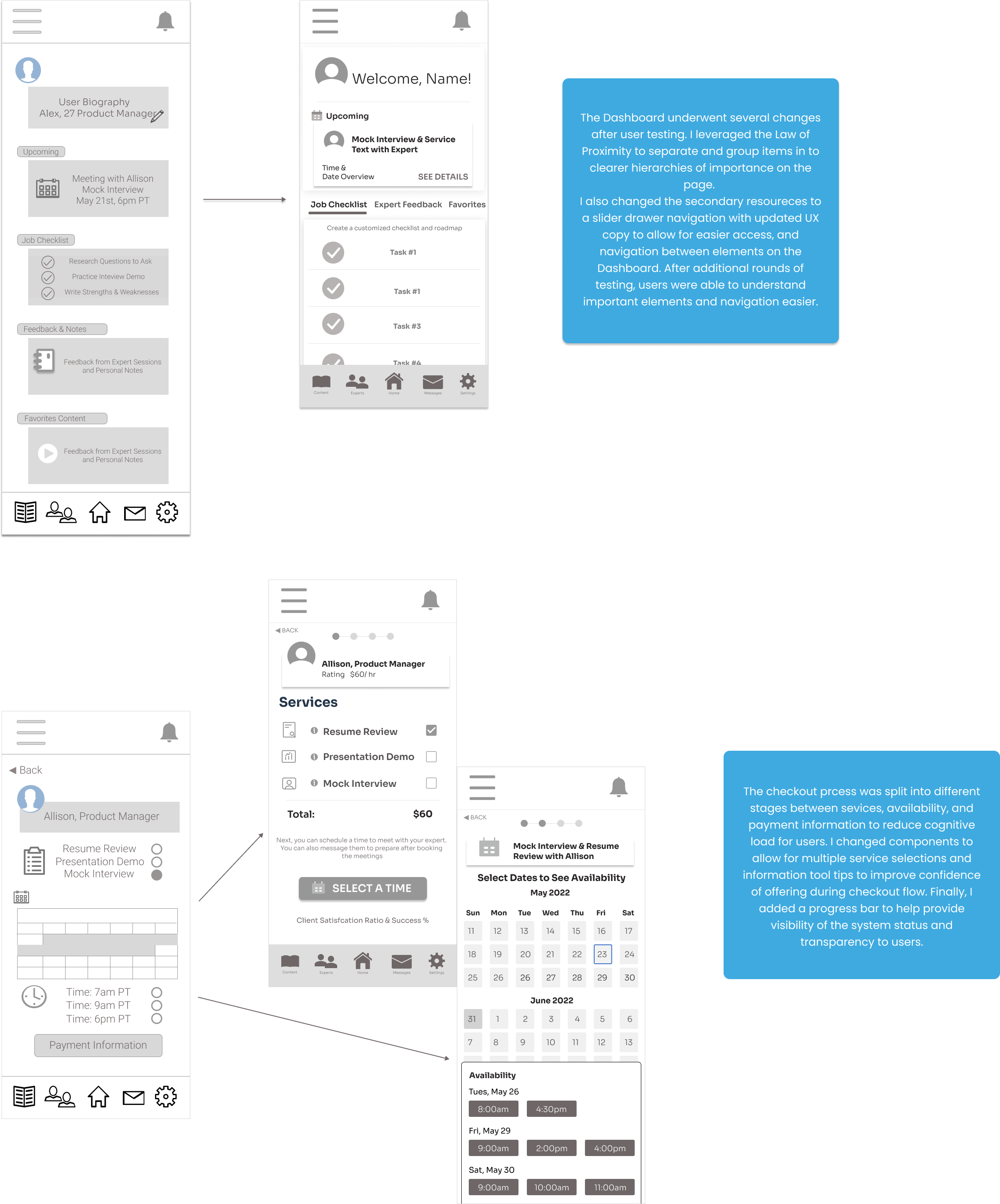
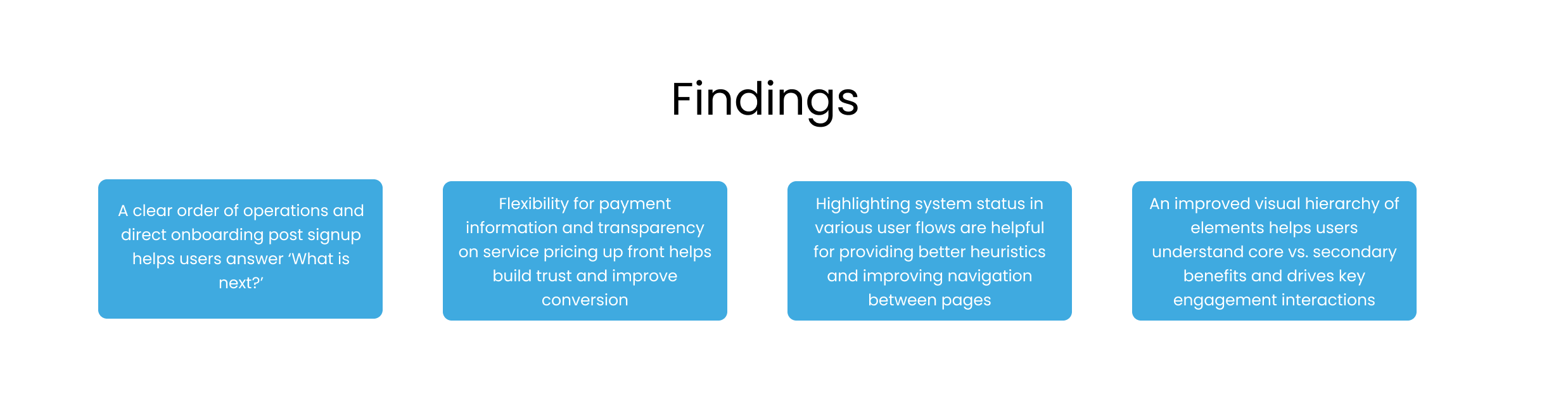
Refinement
06 - Implement
“In order for a product to be Useful, it must be both Functional and Desirable.”
-Don Norman
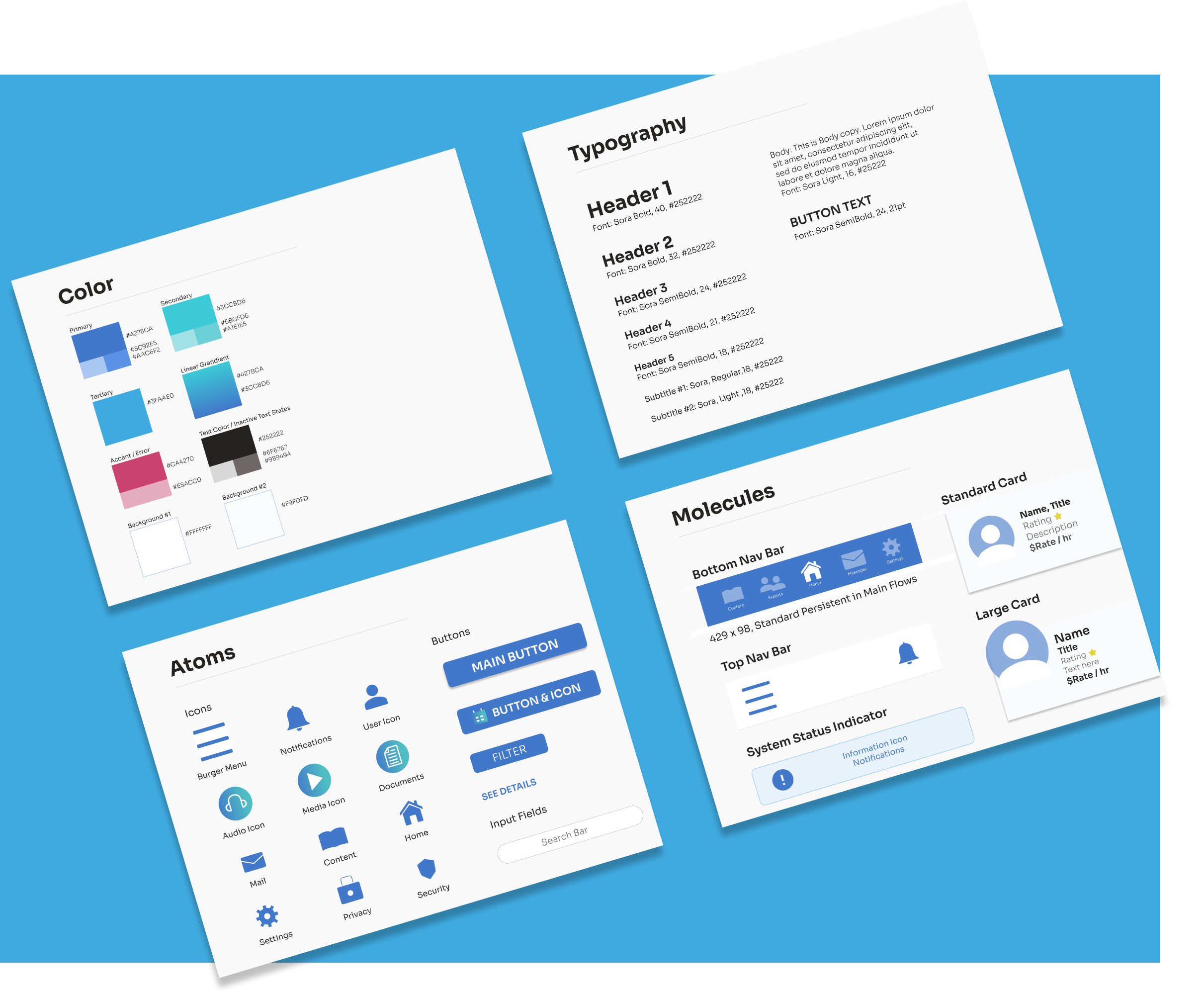
I refined the visual identify of the app with full style guide for Techxpert, leveraging practices discussed in Atomic Design Theory to construct the basic building blocks that feed into larger UI components and can scale with Engineering efforts over time. I also documented branding, copy and design language systems to establish a source of truth for future design efforts.
Style guides with scalable, repeatable processes
Final Product
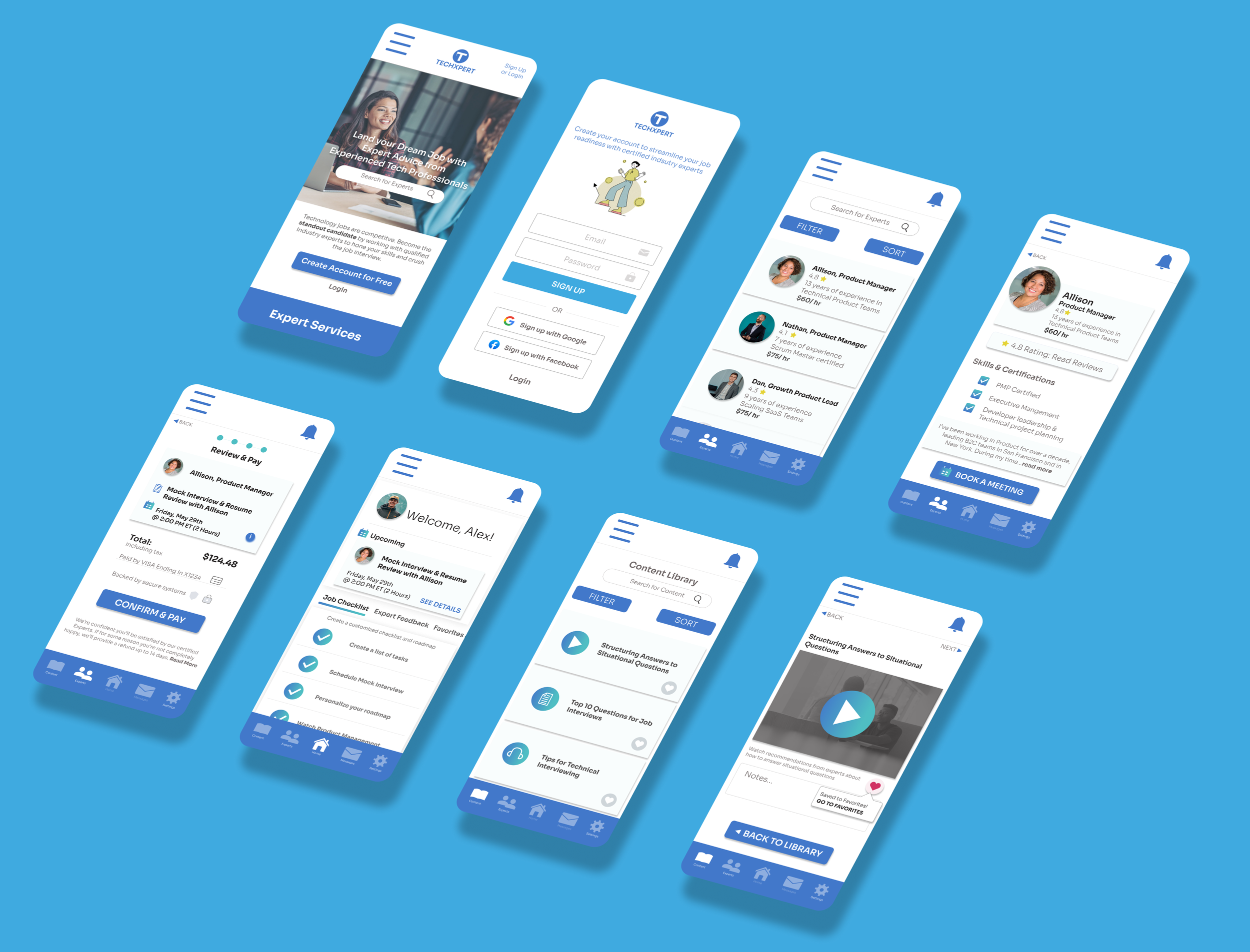
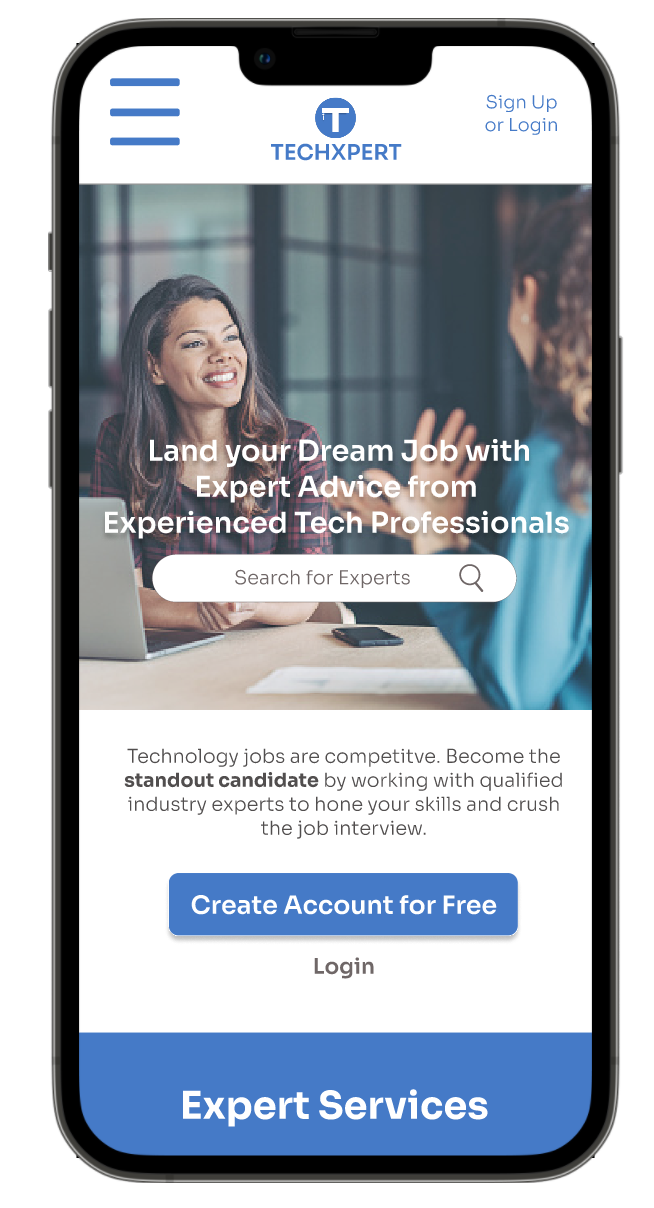
View the full Prototype
Takeaways
Focus on what Matters
Start with the most important elements, then expand. Trying to serve all audiences serves none. Trying to include every feature and function can muddy the waters. It’s important to have alignment on what the critical pieces to success are, and build on that first before opening up scope. Prioritization is key across the product and within the design itself.
Test Early and Often
New insights will always emerge from customer and stakeholder conversations. These will help unlock new learnings, validate ideas, and discover problems. The best thing we can do as UX’ers is to cultivate those opportunities as frequently as possible to test, optimize, and learn.
Foundations Now Help Scale Later
With a new design, product, or system it’s just as important to build the bricks and processes as it is for creating the end process. Iteration is endless. Time and money are limited. The best thing we can do is to develop systems, such as the Atomic Design Theory system, to enable our teams to work faster and more reliably down the road.